
Pay with Stablecoins for Business: A Practical 2026 Guide
Pay with Stablecoins for Business: A Practical 2026 Guide
Stablecoins have moved from a crypto-trader convenience to a serious business payments rail. Between October 2024 and October 2025, stablecoins processed roughly $9 trillion in adjusted payment activity, up 87% year over year. Total circulation reached $316.2 billion by April 2026, and 88% of North American financial firms now view US stablecoin regulation as a green light rather than a barrier.
The practical question for operators is no longer "what are stablecoins?" but "how do I actually pay suppliers, subscriptions, ad platforms, and remote teams with them without creating new operational headaches?" This guide answers that question with a focus on real workflows, costs, risks, and the tools that make stablecoin spending manageable for a business.
Why Businesses Are Paying with Stablecoins
Pay with Stablecoins for Business: A Practical 2026 Guide - Why Businesses Are Paying with Stablecoins.
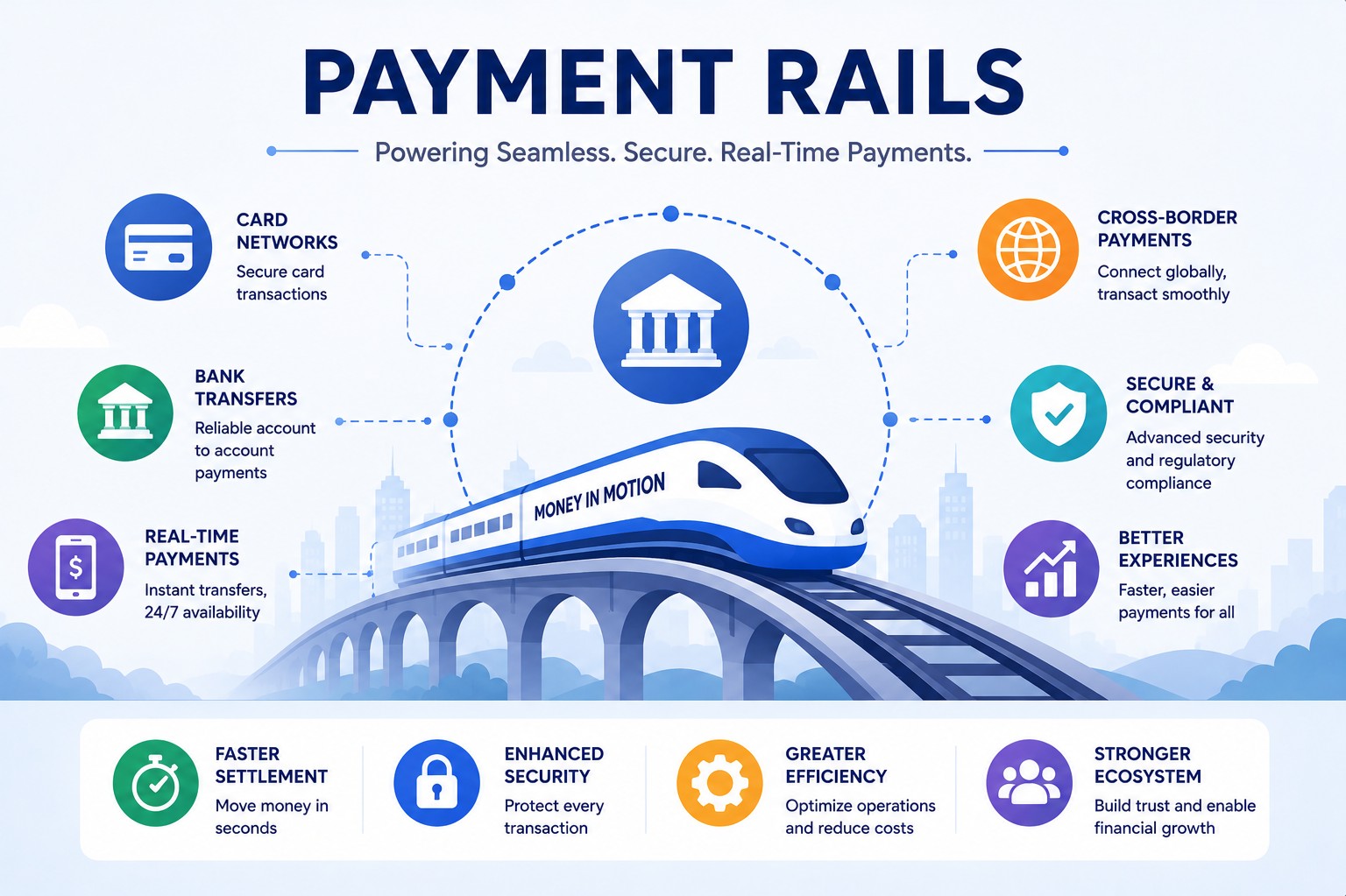
Stablecoin payments address three persistent problems in traditional business payments: slow cross-border settlement, layered fees, and currency volatility in markets with weak local banking.
Faster Settlement Without Correspondent Banks
A traditional international wire can take two to five business days because it moves through correspondent banks, each with its own processing window and time zone. A stablecoin transaction settles directly on a blockchain network, often in minutes or seconds, and can happen outside banking hours. For a business paying overseas suppliers or disbursing to international contractors, that timing difference changes cash flow planning.
Lower All-In Payment Costs
Cross-border payments through traditional rails accumulate wire charges, interchange fees, cross-border surcharges, foreign exchange spreads, and intermediary bank deductions. Remittance costs still average above 6% globally. Stablecoin transfers typically carry only a flat network fee, often pennies. Some AI businesses that added stablecoin payment options have reported a roughly 20% shift in payment volume and about half the transaction fees compared with other methods.
Stability in Volatile Currency Markets
Businesses operating in markets with unstable local currencies can hold revenue in a dollar-pegged stablecoin instead of converting immediately. This reduces exposure to currency swings between the time a transaction completes and when funds are accessed. It also simplifies treasury consolidation: regional revenue can move into a central account as a single dollar-denominated asset rather than routing through local banking rails market by market.
How Business Stablecoin Payments Actually Work
Pay with Stablecoins for Business: A Practical 2026 Guide - How Business Stablecoin Payments Actually Work.
The customer-facing flow looks like a normal digital wallet checkout: connect a wallet or scan a QR code, confirm the amount, sign the transaction. Underneath, the mechanics differ from card payments in ways that matter for business operations.
A signed transaction is broadcast to the blockchain network supporting that stablecoin, such as Ethereum, Solana, or Polygon. Nodes confirm it and include it in a block. Once confirmed, the payment is settled with no additional clearing step. There are no chargebacks: a refund requires sending a new on-chain transaction back to the payer.
For a business, this means:
- Settlement is final and fast, but reversals require an active refund process.
- Network choice matters. USDC on Ethereum, Solana, and Polygon are effectively different rails with different fees and confirmation times.
- Custody is a real operational risk. A single compromised key can drain funds, so businesses typically use layered controls, multisignature setups, or a regulated custodian.
The Main Ways to Pay with Stablecoins as a Business
Pay with Stablecoins for Business: A Practical 2026 Guide - The Main Ways to Pay with Stablecoins as a Business.
There is no single "right" way to spend stablecoins. The best approach depends on whether you are paying suppliers, funding ad accounts, covering team expenses, or managing subscriptions.
1. Direct On-Chain Payments
Sending stablecoins directly from a business wallet to a supplier's wallet is the simplest flow and works well for one-off or high-value payments where both parties agree on the network and token. The downside is operational: you manage wallet security, address verification, network selection, and reconciliation yourself.
2. Stablecoin-Linked Corporate Cards
Stablecoin-linked cards connect a crypto or stablecoin wallet to a global card network, allowing businesses to spend digital assets at millions of merchants that do not accept crypto directly. This is the most practical route for recurring operational spend: SaaS subscriptions, cloud services, digital advertising, travel, and procurement.
Cardfornia is a Singapore-based platform built specifically for this use case. Businesses fund a single account with USDT or USDC, issue multi-currency virtual cards to teams at scale, and maintain real-time control over operating expenses. The platform is designed for crypto-native companies and globally scaling businesses that need to bridge digital assets with everyday spending, including AI tool subscriptions such as ChatGPT, Claude, and Midjourney; ad platforms like Meta Ads, Google Ads, and TikTok Ads; and SaaS and cloud services such as AWS, Azure, and Figma.
For teams managing multiple cardholders, a structured approach to team crypto card management helps set issuing limits, budgets, and real-time tracking without losing control of funds.
3. Payment Processor Integration
Businesses that want to accept stablecoins from customers, rather than spend them, typically integrate a payment processor that handles wallet connectivity, blockchain monitoring, compliance screening, and fiat settlement. This is a different problem from corporate spending: it is about revenue collection rather than expense management.
4. Hybrid Treasury and Settlement
Some businesses use stablecoins for the cross-border "middle mile" while converting to local currency at the destination. This works well when regional off-ramps have strong liquidity and bank integrations. The last mile can still add costs or delays in markets with weaker infrastructure, so the approach is not universally cheaper.
Choosing a Stablecoin for Business Payments
Pay with Stablecoins for Business: A Practical 2026 Guide - Choosing a Stablecoin for Business Payments.
Not all stablecoins are equal. Issuer quality, reserve backing, and regulatory standing vary significantly, and those differences affect business risk.
| Factor | What to Check |
|---|---|
| Reserve backing | Does the issuer maintain 1:1 reserves? Are they audited? |
| Regulatory status | Is the issuer licensed or supervised in a major jurisdiction? |
| Network support | Which blockchains does the stablecoin run on? Do they match your counterparties? |
| Liquidity | Can you convert in and out without meaningful slippage? |
| Depeg history | Has the token ever broken its peg, and how was it handled? |
USDC and USDT dominate business use, but they differ on transparency, regulation, and liquidity. A detailed USDC vs USDT comparison helps teams decide which fits their treasury and payment needs. For most regulated business contexts, sticking to well-established, fully reserved stablecoins reduces tail risk considerably.
Compliance and Regulatory Considerations
Stablecoin payments still have to meet the same compliance standards as traditional payments. That means screening addresses for sanctions, monitoring for unusual patterns, and verifying customer identities when thresholds or regulations require it.
The US regulatory picture changed materially in 2025. The GENIUS Act established the first federal framework specifically for stablecoin payments, defining who can issue stablecoins, reserve standards, and permitted payment use cases. Operational rules are now being written, with full implementation expected by 2027. The CLARITY Act, which would address broader digital asset classification, remains in congressional debate.
For businesses, the practical implications are:
- Work through regulated providers where possible. Licensed payment, custody, and card-issuing partners absorb much of the compliance burden.
- Document your stablecoin flows. Tax reporting and audit trails still apply even when settlement happens on-chain.
- Know your counterparties. Blockchain identities are pseudonymous, so address screening and KYC checks remain essential.
Cardfornia's approach reflects this reality: client funds are held 100% in segregated accounts with third-party licensed custodians and are never lent or invested. Payment, custody, and card-issuing activities are performed through licensed partners holding regulatory approvals across Hong Kong, the UK, the US, and Canada, with security practices guided by ISO/IEC 27001 standards. For businesses evaluating platforms, understanding segregated payment cards is a useful starting point for assessing fund protection.
Common Business Use Cases
Digital Advertising at Scale
Ad platforms are a major stablecoin spending category. Businesses funding Meta Ads, Google Ads, or TikTok Ads with traditional cards often face limits, declines, and account review friction. High-limit virtual cards funded by stablecoins can reduce account ban risks and keep campaigns running without interruption.
AI and SaaS Subscriptions
AI tool subscriptions and cloud services are recurring, predictable, and increasingly payable via stablecoin-funded cards. A business can issue separate virtual cards for ChatGPT, Claude, AWS, and Figma, each with its own limit and renewal cycle, and settle everything from a single stablecoin balance.
Global Travel and Procurement
Multi-currency virtual cards remove much of the friction of employee travel and international procurement. Cards settle in the local currency at the point of sale while the business funds spending from a dollar-pegged stablecoin, avoiding layered FX conversions.
Cross-Border Supplier Payments
For suppliers that accept stablecoins directly, on-chain payment eliminates correspondent bank delays and wire fees. For suppliers that do not, a stablecoin-funded card can still deliver faster, cheaper settlement than a traditional international wire in many cases.
Risks to Weigh Before Adopting Stablecoin Payments
Stablecoins offer genuine benefits, but they are not a universal replacement for bank rails.
Depeg risk is the primary financial concern. A stablecoin drops below its pegged value when demand collapses or collateralization is poor. Regulated, fully reserved stablecoins like USDC and USDG reduce this risk substantially; smaller or less regulated tokens carry higher exposure.
Compliance risk remains real. The pseudonymous nature of public blockchains creates AML and CFT considerations that businesses must manage through screening, monitoring, and provider selection.
Network fragmentation adds operational complexity. A business might hold USDC on Ethereum while a counterparty holds USDC on Solana. Sending tokens across incompatible networks can result in lost funds. Until interoperability improves, businesses must clarify supported chains explicitly.
Regional off-ramp differences mean the last mile into local currency is not uniformly efficient. Some markets have strong liquidity and bank integrations; others add costs, delays, or risk.
Competition from bank tokens is a longer-term consideration. Citi's "Stablecoins 2030" report projects base-case stablecoin issuance of $1.9 trillion by 2030, but also notes bank token transaction volumes could reach $4 trillion in that period. Stablecoins are one option in a broadening digital money landscape, not the only one.
A Practical Setup Checklist
For a business ready to start paying with stablecoins, the sequence matters more than the technology.
- Define the use case first. Identify the specific payment flows where stablecoins improve speed, cost, or access: ad spend, SaaS subscriptions, supplier payments, or contractor disbursements.
- Choose a stablecoin. For most businesses, a regulated, fully reserved dollar stablecoin is the default. Compare USDC and USDT on transparency, regulation, and liquidity before committing.
- Select a spending infrastructure. Decide between direct on-chain payments, a stablecoin-linked corporate card platform, or a hybrid approach. For recurring operational spend, a corporate virtual card platform is usually the most practical.
- Set internal controls. Establish card limits, approval workflows, and real-time tracking before issuing cards to teams. A structured team crypto card management process prevents the most common operational failures.
- Verify custody and segregation. Confirm that client funds are held in segregated accounts with third-party licensed custodians and are never lent or invested.
- Document compliance procedures. Maintain records of address screening, KYC checks, and transaction monitoring, even when working through regulated providers.
- Start with a pilot. Run a single payment category, such as SaaS subscriptions or one ad platform, for a month before expanding.
Stablecoin Business Payments FAQ
Can a business pay suppliers directly with stablecoins?
Yes, if the supplier accepts stablecoins and both parties agree on the token and network. Direct on-chain payment settles in minutes without correspondent banks, but the business must manage wallet security, address verification, and reconciliation itself.
Are stablecoin payments reversible?
No. Blockchain payments do not support chargebacks. Once a transaction is confirmed, a refund requires sending a new on-chain transaction back to the payer. Businesses should treat stablecoin payments as final and build refund processes accordingly.
What is the cheapest way for a business to spend stablecoins?
For recurring operational spend, a stablecoin-funded corporate virtual card is often the most cost-effective route because it avoids per-transaction on-chain fees for every purchase and settles through existing card rails. Direct on-chain transfers work well for high-value, low-frequency payments.
Do stablecoin payments have tax implications for businesses?
Yes. Stablecoin transactions can trigger taxable events depending on jurisdiction, and businesses must maintain records of stablecoin inflows, outflows, and conversions. Working with a crypto-aware accounting tool or service is advisable for businesses with meaningful stablecoin volume.
Is it safe to hold business funds in stablecoins?
Safety depends on the stablecoin's reserve backing and the custody arrangement. Regulated, fully reserved stablecoins held with a licensed custodian in segregated accounts are materially safer than less regulated tokens held in a self-custodied hot wallet. Businesses should verify both issuer quality and custody structure before holding balances.
How does the GENIUS Act affect business stablecoin payments?
The GENIUS Act, signed in 2025, established the first US federal framework for stablecoin payments, defining issuer eligibility, reserve requirements, and permitted use cases. Operational rules are being written with full implementation expected by 2027. For businesses, the act reduces regulatory uncertainty but does not remove compliance obligations.
Related reading
- Tokenbooks Review: Crypto Accounting Built for Web3 Finance Teams - An evidence-based Tokenbooks review covering crypto accounting, treasury, payments, pricing signals, setup, ideal users, and how it compares for Web3 teams.
- What Is a Digital Dollar? CBDCs, Stablecoins, and the 2026 Policy Shift - Learn what a digital dollar really means in 2026: CBDC proposals, the GENIUS Act, regulated stablecoins, and how businesses can spend digital dollars today.
- Kripicard Review: Crypto Virtual Cards for Business Spending - Evidence-based Kripicard review covering USDT virtual cards, ideal users, setup, fees, security, and how it compares for ad spend and team payments.
Sources and further reading
- Stablecoin Payments Explained: A Guide for Businesses - Learn how stablecoin payments work, why usage is surging, and what businesses need to know about their benefits, risks, and implementation.
- Empowering the future of payments with stablecoins - Visa enables a fast, easy issuance of Visa credentials, so that crypto holders can quickly and securely pay with Visa at over 100 million merchants worldwide.
- Stablecoins explained: what US business owners need to know - Move money across borders faster, cut conversion costs and settle payments in minutes – all with a dollar stable digital currency backed by regulated frameworks.
Conclusion
Paying with stablecoins for business is no longer an experiment. The infrastructure has matured, regulation has begun to catch up, and the cost and speed advantages are measurable in real operating budgets. The businesses getting the most value are not treating stablecoins as a philosophical statement; they are using them as a practical tool for specific payment flows where traditional rails are slow, expensive, or inaccessible.
The most important decisions are operational rather than technical: pick a stablecoin with strong reserve backing and regulatory standing, choose spending infrastructure that matches your payment patterns, set internal controls before scaling, and verify custody and segregation at every step. For businesses that hold and transact in digital assets, platforms like Cardfornia offer a structured way to fund a single stablecoin account, issue multi-currency virtual cards to teams, and maintain real-time control over operating expenses without exposing funds to unnecessary risk.
Start with one use case, measure the actual cost and speed difference against your current rails, and expand from evidence rather than enthusiasm. That is how stablecoin payments become a durable part of business operations rather than a passing experiment.