
How to Pay for AI Tools with Crypto in 2026

How to Pay for AI Tools with Crypto in 2026
AI subscriptions have quietly become a fixed operating cost for developers, marketers, researchers, and agencies. ChatGPT Plus, Claude Pro, Midjourney, Gemini Advanced, GitHub Copilot, Perplexity — the list grows every quarter. Yet most of these platforms still bill through traditional card processors like Stripe, Google Payments, or Microsoft billing, which creates a frustrating gap for crypto-native users and businesses: you hold USDT or USDC, but the checkout page only accepts Visa or Mastercard.
This guide breaks down the practical ways to pay for AI tools with crypto, what actually works in 2026, and how to avoid the most common declines, geo-blocks, and hidden fees.
Why Paying for AI Tools with Crypto Is Still Friction-Prone
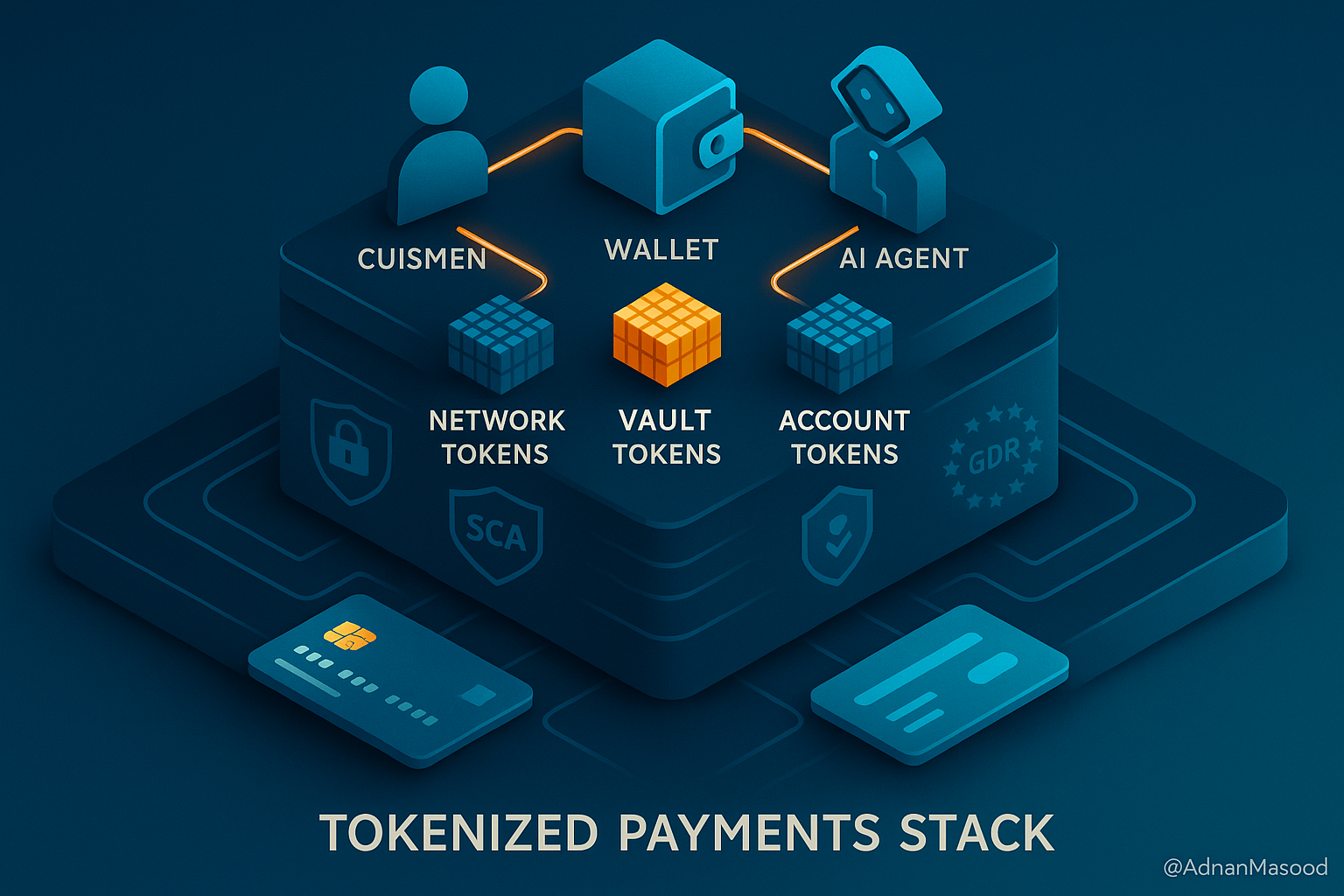
How to Pay for AI Tools with Crypto in 2026 - Why Paying for AI Tools with Crypto Is Still Friction-Prone.
Before choosing a payment method, it helps to understand why this specific use case trips people up.
Geo-Blocks and Regional Card Declines
AI platforms run strict address and network checks through their billing processors. If your card's issuing country does not match your billing address, or if a card BIN is flagged as high-risk, the charge simply fails. Many low-tier virtual crypto cards suffer from poor merchant acceptance precisely because their BIN ranges are known to processors and get blocked preemptively.
The Double-Conversion Loop
Most AI SaaS platforms do not accept on-chain payments directly. That leaves crypto holders with a slow, costly workflow: convert crypto to fiat, move it to a bank account, wait for settlement, then pay with a traditional card. Each step adds fees and delay. A card that funds directly from stablecoins removes this loop entirely.
Recurring Billing Is Less Forgiving
AI subscriptions renew monthly. A card that works once but gets declined on the third renewal is worse than useless — it can trigger account flags on the AI platform itself. Predictable, repeatable approval matters more than a flashy headline cashback rate.
Three Ways to Pay for AI Tools with Crypto

How to Pay for AI Tools with Crypto in 2026 - Three Ways to Pay for AI Tools with Crypto.
There are three realistic routes in 2026, each with a different trade-off profile.
1. Direct Crypto Acceptance
A small but growing number of AI services accept on-chain payments directly. Directories like Cryptwerk list dozens of AI tools, API providers, and SaaS platforms that take Bitcoin, Ethereum, USDT, or USDC at checkout. This is the cleanest option when available: no card, no conversion, no processor in the middle.
The catch: the major mainstream AI platforms — ChatGPT, Claude, Gemini, Midjourney — generally do not accept direct crypto payments. Direct acceptance is more common among smaller API aggregators, niche AI tools, and crypto-native services. For mainstream subscriptions, you need a different approach.
2. Consumer Crypto Cards
Consumer crypto cards from providers like Coinbase, Crypto.com, or Bleap let individuals fund a card with crypto and spend it anywhere Visa, Mastercard, or Amex is accepted. Some offer AI-specific cashback: Bleap, for example, advertises a flat 20% cashback in USDC on ChatGPT, Claude, and Gemini subscriptions with 0% FX fees, while Coinbase's card tops out at 4% bitcoin back and requires a paid Coinbase One membership.
These cards work well for individual users, but they come with constraints: geographic restrictions (many are US-only or EEA-only), KYC tiers, spending caps, and cashback that often applies only to a narrow list of tools. For a solo developer paying for two or three subscriptions, a consumer card is often the simplest answer.
3. Corporate Crypto Virtual Cards
For businesses — agencies, Web3 startups, crypto-native teams, or any company that holds stablecoins on its balance sheet — a corporate crypto virtual card platform is the more scalable option. These platforms let you fund a single business account with USDT or USDC, issue multiple virtual cards to team members, and control spending in real time.
This is where Cardfornia fits. Cardfornia is a Singapore-based fintech platform that issues crypto virtual cards specifically for corporate businesses and startups. Teams fund one account with stablecoins like USDT and USDC, then issue multi-currency virtual cards at scale for AI tool subscriptions, digital advertising, SaaS, and cloud services. The platform emphasizes high-limit cards for ad spend, automatic multi-currency settlement, and client funds held 100% in segregated accounts with third-party licensed custodians — never lent or invested.
For a company paying for ChatGPT Team, Claude Enterprise, Midjourney, and a dozen other AI tools across a distributed team, a corporate card platform solves the problems consumer cards cannot: centralized billing, per-team-member limits, and stablecoin funding without individual KYC friction on every card.
What Makes a Crypto Card Good for AI Subscriptions

How to Pay for AI Tools with Crypto in 2026 - What Makes a Crypto Card Good for AI Subscriptions.
Whether you choose a consumer or corporate card, the same selection criteria apply.
Cashback on Software and AI Categories
Cashback is the single biggest lever on long-term value. A flat 20% on ChatGPT, Claude, and Gemini beats a general 2% card by an order of magnitude. But read the fine print: many "AI cashback" offers apply only to a short list of tools, and rewards paid in volatile tokens can lose value before you use them. Stablecoin-denominated cashback (USDC) is more predictable.
Acceptance and BIN Quality
The card must clear the billing processors used by major AI platforms. Broad Visa or Mastercard coverage is table stakes. The real differentiator is BIN quality: cards issued through reputable, licensed partners with clean BIN ranges get declined far less often than low-tier virtual cards from unknown issuers.
Stablecoin Funding
Funding with USDC or USDT protects you from crypto price swings landing on your billing date. If you fund a card with volatile assets and the market drops 20% before renewal, your subscription suddenly costs 20% more in fiat terms. Stablecoin-backed spending is the only sensible approach for recurring SaaS costs. If you need to acquire USDC first, this guide on where to buy USDC safely covers regulated exchanges, self-custody wallets, fees, and common mistakes.
FX Fees and Multi-Currency Settlement
Most AI tools bill in USD. If your card is denominated in EUR, GBP, or another currency, every renewal incurs a foreign transaction fee — typically 2–3% at traditional banks. Cards with 0% FX fees or automatic multi-currency settlement eliminate this recurring cost.
KYC and Geographic Availability
Full KYC is not inherently bad — it is a compliance signal, not a shortcut. But tier-based verification matters if you need to issue cards to team members quickly. Geographic availability is the harder constraint: many crypto cards are US-only or EEA-only, which is a non-starter for globally distributed teams.
Comparing Crypto Card Options for AI Tools in 2026

How to Pay for AI Tools with Crypto in 2026 - Comparing Crypto Card Options for AI Tools in 2026.
The table below summarizes the main consumer and corporate options based on publicly available information. Rates and availability change frequently, so confirm current terms with each provider before funding.
| Card / Platform | AI Cashback | Network | KYC | Availability | Stablecoin Support | Monthly Fee |
|---|---|---|---|---|---|---|
| Bleap | 20% flat (ChatGPT, Claude, Gemini), in USDC | Mastercard | Light (MiCA) | EEA, expanding LATAM | USDC + 50,000+ tokens | €0 |
| Coinbase One Card | Up to 4% BTC, no AI-specific boost | Amex | Full, US only | US only | USDC, USD | $0 card, requires Coinbase One (~$49.99/yr) |
| Crypto.com Visa | Up to 6% CRO by tier, general spend | Visa | Full | ~36 countries | Yes | $0, rewards need subscription or CRO stake |
| Cardfornia (corporate) | No cashback; high-limit cards for AI/SaaS/ad spend | Visa/Mastercard via licensed partners | Business KYC | Global (via licensed partners in HK, UK, US, Canada) | USDT, USDC | Contact for pricing |
Consumer cards win on cashback for individual users. Corporate platforms like Cardfornia win on scale: multiple team cards, centralized stablecoin funding, higher limits, and spend controls that consumer cards simply do not offer.
Step-by-Step: Paying for ChatGPT or Claude with a Corporate Crypto Card
Here is the practical workflow for a business using a corporate crypto virtual card platform.
- Fund the business account with stablecoins. Deposit USDT or USDC into the platform's segregated business account. Funds are held with third-party licensed custodians, not lent or invested.
- Issue a virtual card for the AI subscription. Create a card with a limit that matches the monthly or annual plan cost. For ChatGPT Team or Claude Enterprise, set a limit slightly above the expected charge to avoid declines on tax or FX rounding.
- Enter the card details at checkout. Use the virtual card number, expiry, and CVV at the AI platform's billing page. Match the billing address to the card's issuing country to avoid geo-block declines.
- Set recurring limits and alerts. Configure the card to auto-approve the recurring charge each month while blocking any unexpected amount. Real-time spend controls let you revoke or freeze a card instantly if a team member leaves.
- Settle in your preferred currency. Multi-currency settlement means the USD charge converts automatically, without a manual FX step or a 2–3% bank markup.
For a deeper walkthrough of setup, team cards, and spending workflows, see the Cardfornia tutorial.
AI Tools That Accept Crypto Directly vs. Card-Only Platforms
It is worth separating the market into two buckets.
Direct crypto acceptance: A subset of AI API aggregators, niche tools, and crypto-native services accept on-chain payments. Cryptwerk's AI directory lists over 40 such services, ranging from multi-model API gateways to AI companion platforms and trading signal tools. If the tool you need is on this list, direct payment is the simplest path.
Card-only mainstream platforms: ChatGPT, Claude, Gemini, Midjourney, GitHub Copilot, Notion AI, and Perplexity all require card payments. For these, a crypto card — consumer or corporate — is the only bridge from stablecoins to subscription. The card's BIN quality, FX policy, and stablecoin funding mechanism determine whether the bridge holds up month after month.
Common Pitfalls and How to Avoid Them
Pitfall 1: Funding with Volatile Assets
Funding a card with BTC or ETH means your subscription cost fluctuates with the market. Use USDC or USDT. If you are new to stablecoins, this explainer on USDC covers how the regulated digital dollar works and why businesses prefer it for payments.
Pitfall 2: Ignoring BIN Quality
The cheapest virtual card is not a bargain if its BIN gets blocked by Stripe or Google Payments on the first charge. Choose cards issued through licensed partners with clean BIN ranges. This is one reason corporate platforms emphasize channel stability and regulatory approvals across jurisdictions.
Pitfall 3: Mismatched Billing Addresses
AI platforms run address verification. If your card's issuing country does not match the billing address you enter, the charge fails. Always use the address associated with the card, not your company's headquarters address if they differ.
Pitfall 4: Overlooking Recurring Charge Limits
Set card limits slightly above the expected monthly charge. A ChatGPT Team plan billed at $25 per seat with 10 seats is $250, but tax or FX rounding can push the actual charge to $255. A card capped at exactly $250 will decline.
Related reading
- Where to Buy USDC: 7 Safe Ways to Get Digital Dollars - Compare the safest places to buy USDC in 2026, from regulated exchanges to self-custody wallets. Learn fees, payment methods, and how to avoid common mistakes.
- Reduce Ad Account Ban Risk: 11 Proven Prevention Tactics - Learn why Meta and Google disable ad accounts and how to reduce ban risk with policy compliance, payment hygiene, account warm-up, and stable card infrastructure.
- Sparados Review: Virtual Cards & Spend Control Tested - Evidence-based Sparados review covering virtual corporate cards, EUR/USD/CHF payments, expense workflows, pricing signals, setup, and who should use it.
Sources and further reading
- AI Tools That Accept crypto - Choose an AI tool or service that accepts cryptocurrencies after comparing output type, use case, model access, usage limits, API options and data handling.
- How do you pay for AI companion apps? Would you use crypto if it ... - Apr 10, 2026 ... Here's the situation: traditional card processors (Stripe, PayPal) won't work with adult/NSFW AI apps. That leaves either specialized high-risk ...
- Best Crypto Cards for AI Tools 2026: Cashback, Low Fees & Fewer Geo-Blocks - Compare the best crypto cards for ChatGPT, Claude, Gemini and other AI tools, including cashback, FX fees, acceptance, KYC and availability.
FAQ
Can I pay for ChatGPT with crypto directly?
No. OpenAI does not accept on-chain crypto payments for ChatGPT or API billing. You need a crypto-funded card (consumer or corporate) that works with OpenAI's payment processor.
Which AI tools accept crypto directly?
A growing number of smaller AI services, API aggregators, and crypto-native tools accept direct crypto payments. Directories like Cryptwerk list AI tools that take Bitcoin, Ethereum, USDT, and USDC. Mainstream platforms like ChatGPT, Claude, and Midjourney do not.
Is it legal to pay for AI tools with crypto?
Yes, in most jurisdictions. The key is using a compliant card issuer or payment platform that handles the fiat conversion and regulatory requirements on the back end. You are not paying the AI platform in crypto; you are paying with a card funded by crypto.
What is the cheapest way to pay for AI subscriptions with crypto?
For individuals in supported regions, a consumer card with 0% FX fees and AI-specific cashback (like Bleap's 20% on ChatGPT, Claude, and Gemini) is often the cheapest. For businesses with multiple team members and higher spend, a corporate platform with stablecoin funding and multi-currency settlement avoids per-card fees and FX markups at scale.
Why do my crypto card payments to AI tools get declined?
The most common causes are BIN blocks by the AI platform's processor, mismatched billing addresses, insufficient limits, or funding with volatile assets that drop below the charge amount. Using a card with a clean BIN range, correct address matching, and stablecoin funding resolves most declines.
Can I use USDT or USDC to pay for Midjourney?
Yes, indirectly. Midjourney bills through Stripe and does not accept on-chain payments, but a virtual card funded with USDT or USDC works at checkout. Stablecoin funding is preferable because it avoids price volatility on your billing date.
Conclusion
Paying for AI tools with crypto is no longer a hack — it is a solved workflow with clear trade-offs. Direct crypto acceptance works for a niche set of AI services. Consumer crypto cards offer the best cashback for individuals, especially on ChatGPT, Claude, and Gemini. Corporate crypto virtual card platforms are the right choice for businesses that need multiple team cards, centralized stablecoin funding, higher limits, and real-time spend controls across AI subscriptions, SaaS, and ad spend.
The common thread across all three routes: stablecoin funding, clean card infrastructure, and attention to recurring billing details. Get those right, and your AI stack runs on crypto without the monthly friction.