
Developer Crypto Virtual Card: Build & Scale with APIs

Developer Crypto Virtual Card: The API-First Way to Embed and Scale Crypto Spending
For modern fintechs, Web3 platforms, and scaling startups, a developer crypto virtual card is no longer a nice-to-have. It’s the infrastructure layer that turns a crypto wallet, exchange, or SaaS platform into a real-world spending tool. Instead of forcing users to off-ramp through slow, manual processes, a virtual card issuing API lets you embed branded, secure, and instantly spendable cards directly into your product. This article unpacks how developer-focused virtual card solutions work, what to look for in an API, and how platforms like Cardfornia are shaping the corporate side of this ecosystem.
Why Developer Crypto Virtual Cards Are Reshaping Fintech

Developer Crypto Virtual Card: Build & Scale with APIs - Why Developer Crypto Virtual Cards Are Reshaping Fintech.
Virtual cards are digital-first debit cards that live in mobile wallets or browser extensions. For developers, they represent a programmable payment rail. By integrating a virtual card issuing API, you give your users the ability to spend crypto balances anywhere Visa or Mastercard is accepted—without leaving your app. The conversion from crypto to fiat happens just-in-time at checkout, and you retain control over compliance, limits, and branding.
This approach solves three persistent problems:
- Speed: Traditional card issuance takes weeks. API-issued virtual cards activate in minutes after KYC.
- Control: You set transaction rules, freeze cards, or restrict merchant categories programmatically.
- Experience: Users get a seamless, bank-like spending flow while you handle the regulatory heavy lifting behind the scenes.
As the Striga virtual card API documentation explains, fintechs can launch fully branded card programs, enable just-in-time crypto-to-fiat conversions, and issue cards instantly upon KYC completion. This is the new baseline for any platform that wants to keep users inside its ecosystem.
How a Virtual Card Issuing API Works
Developer Crypto Virtual Card: Build & Scale with APIs - How a Virtual Card Issuing API Works.
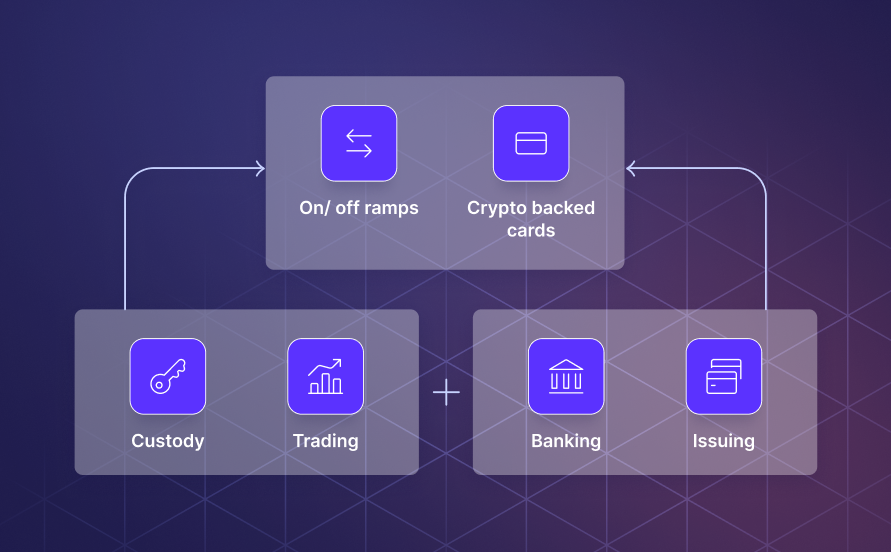
At its core, a virtual card issuing API abstracts away the complexity of card networks, BIN sponsorship, and settlement. You integrate a single set of endpoints and gain access to:
- Card lifecycle management: Create, activate, freeze, and terminate virtual cards programmatically.
- Just-in-time funding: When a user taps to pay, the API triggers a crypto-to-fiat conversion in real time, funding the transaction without pre-loading.
- Spending controls: Set per-transaction limits, daily caps, merchant category blocks, and channel restrictions (online, in-store, ATM).
- Multi-currency support: Issue cards that settle in USD, EUR, or other fiat currencies while the user holds stablecoins like USDC or USDT.
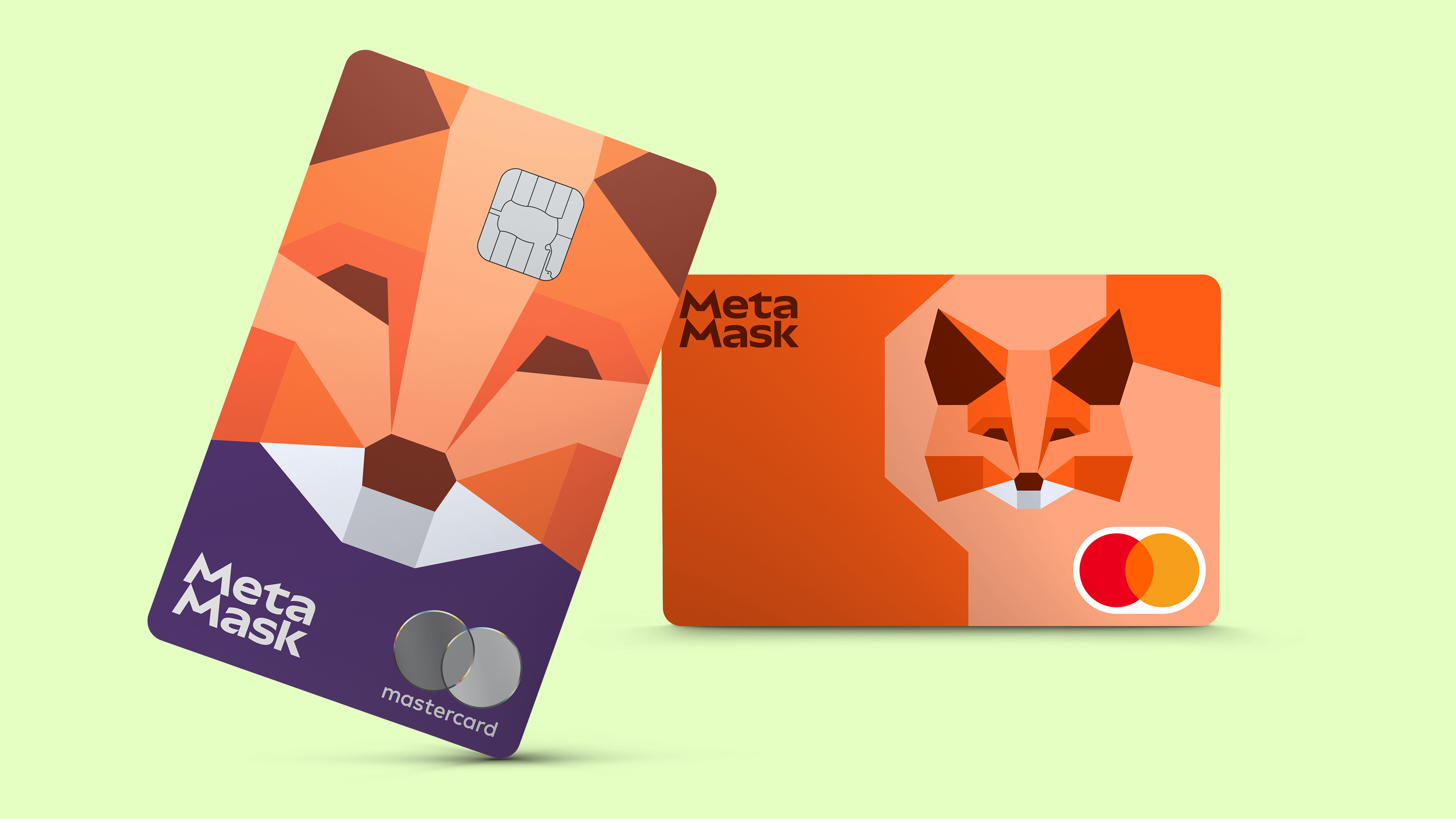
For Web3 teams, this means you can build a non-custodial or semi-custodial spending experience. The user keeps assets in their wallet until the moment of payment, then the API orchestrates conversion and authorization. MetaMask Card, for example, connects directly to a self-custody wallet on Linea, Base, or Solana and converts crypto at Mastercard’s exchange rate with no additional MetaMask fees (MetaMask Card).
Key Features Developers Should Demand
Developer Crypto Virtual Card: Build & Scale with APIs - Key Features Developers Should Demand.
Not all virtual card APIs are built for the crypto-native stack. When evaluating a provider, prioritize these capabilities:
1. Stablecoin-Native Settlement
Look for APIs that accept USDC, USDT, or other stablecoins as the funding source. This eliminates volatility risk and keeps accounting straightforward. Platforms like Cardfornia are designed specifically for this—businesses fund a single account with stablecoins and issue multi-currency virtual cards at scale, with funds held in segregated accounts with licensed custodians.
2. Real-Time Spend Controls and Budgeting
Programmatic control is the whole point. Your dashboard or admin panel should let you segregate spending by card, team, or project. This is especially valuable for companies running digital ads or managing multiple SaaS subscriptions. For a deeper dive into this strategy, see our guide on how to segregate spending by card for smarter budgeting.
3. High-Limit Cards for Business Use Cases
Consumer cards often come with low limits that break ad campaigns or cloud bills. Developer-focused platforms should support high-limit virtual cards tailored for ad spend (Meta Ads, Google Ads), cloud services (AWS, Azure), and SaaS tooling. Cardfornia emphasizes this use case, offering corporate virtual cards purpose-built to reduce account ban risks on advertising platforms.
4. Multi-Currency and Cross-Border Optimization
A global team needs cards that settle in multiple currencies without punishing FX markups. The best APIs handle real-time currency exchange and automatic multi-currency settlement. Wirex, for instance, offers zero FX fees in 150+ countries and up to 8% cashback in USD, though its model is more consumer-facing (Wirex). For corporate spend, the priority shifts from cashback to stability, transparency, and channel reliability.
5. Compliance and Licensing Depth
Card issuing touches KYC, KYB, AML, and cross-border regulations. Your API partner should operate through licensed entities in the jurisdictions you serve. Cardfornia, for example, works with payment, custody, and card-issuing partners that hold regulatory approvals in Hong Kong, the UK, the US, and Canada, and follows ISO/IEC 27001 security practices.
Consumer vs. Corporate Developer Cards: Understanding the Split
Developer Crypto Virtual Card: Build & Scale with APIs - Consumer vs. Corporate Developer Cards: Understanding the Split.
The market is bifurcating. On one side, consumer products like MetaMask Card and Wirex focus on individual self-custody, rewards, and lifestyle perks. On the other, corporate platforms like Cardfornia solve for business operations: paying AI tool subscriptions (ChatGPT, Claude, Midjourney), funding ad accounts, and managing global procurement.
| Feature | Consumer Virtual Cards (MetaMask, Wirex) | Corporate Virtual Cards (Cardfornia) |
|---|---|---|
| Primary user | Individual, self-custody wallet holder | Business, startup, DAO, finance team |
| Funding source | Wallet on Linea, Base, Solana | Stablecoin-funded corporate account |
| Key benefit | Cashback, lifestyle perks, self-custody | Spend control, high limits, multi-currency settlement |
| Spending controls | Basic limits, freeze/unfreeze | Advanced: per-card budgets, merchant restrictions, team-level rules |
| Use cases | Everyday purchases, subscriptions | Ad spend, SaaS, cloud, global travel and procurement |
| Custody model | Non-custodial (you hold keys) | Segregated accounts with licensed custodians |
For developers building a corporate spend product, the corporate-focused approach is usually the right foundation. It provides the compliance structure, limit profiles, and administrative controls that businesses require. If you’re evaluating the broader landscape, our top 10 crypto corporate payment card platforms comparison breaks down the leading options.
Building with Cardfornia’s Corporate Virtual Card Infrastructure
Cardfornia takes a distinctly business-first approach to the developer crypto virtual card problem. Instead of a general-purpose API for any fintech to white-label, it provides a ready-made platform where crypto-native companies can fund an account with USDC or USDT and issue virtual cards to teams immediately.
This matters for three specific developer and startup workflows:
1. Paying for AI and SaaS Subscriptions at Scale Engineering teams routinely need to provision ChatGPT Plus, Claude Pro, Midjourney, Figma, and AWS access. With Cardfornia, you issue a dedicated virtual card for each service, set spending limits, and fund everything from a single stablecoin balance. No more sharing a company credit card or chasing expense reports.
2. Running High-Volume Digital Advertising Ad platforms often flag frequent card changes or low-limit cards as risk signals, leading to account bans. Cardfornia’s high-limit virtual cards are designed to reduce this risk, letting growth teams run Meta Ads, Google Ads, and TikTok Ads without interruption. The automatic multi-currency settlement means you pay in the platform’s required currency while holding USDC.
3. Global Team Procurement and Travel Distributed teams need cards that work across borders without 3% foreign transaction fees. Cardfornia supports real-time currency exchange and multi-currency settlement, so a team member in Lisbon can pay for a coworking space while the company treasury stays in stablecoins.
For a step-by-step walkthrough of funding and issuing cards with USDC, read our business guide to using Cardfornia with USDC.
How to Choose Between an API-First Provider and a Turnkey Platform
Your choice depends on what you’re building:
- Choose a virtual card issuing API (like Striga) if you’re a fintech, wallet, or exchange that wants to embed fully branded cards into your own app. You’ll need development resources to integrate the API, manage the UX, and handle customer support.
- Choose a turnkey corporate platform (like Cardfornia) if you’re a business that needs to issue cards to your own teams immediately. You get a web dashboard, pre-built spend controls, and licensed custody without writing code.
Both models are growing, and they complement each other. A Web3 gaming guild might use an API to issue branded cards to its community while using Cardfornia internally to manage its own operating expenses.
The Role of Stablecoins in Virtual Card Programs
Stablecoins are the settlement layer that makes developer crypto virtual cards viable. USDC and USDT provide price stability, fast settlement, and deep liquidity across card networks. When a virtual card transaction occurs, the stablecoin is converted to fiat at the point of sale, so neither the merchant nor the card network needs to touch crypto directly.
This architecture also simplifies SaaS payment with stablecoins. Businesses can receive stablecoin payments from customers and spend those same stablecoins via virtual cards, creating a closed-loop treasury that never touches a traditional bank. For finance teams managing this flow, our top 10 crypto accounting and treasury software guide covers the tools that make reconciliation possible.
Related reading
- Cardfornia vs Banqa vs Cryptopay Business: 2026 Comparison - Compare Cardfornia, Banqa, and Cryptopay Business for crypto corporate spending. See which fits your business: virtual cards, self-custody, or payment gateway.
- Cardfornia vs Banxe: Which Crypto Business Card Wins in 2026? - Compare Cardfornia and Banxe for crypto business spending. See why Cardfornia’s stablecoin virtual cards beat Banxe for corporate control, ad spend, and SaaS.
Frequently Asked Questions
What is a developer crypto virtual card?
It’s a programmable, digital debit card issued via an API that lets platforms embed crypto spending capabilities into their own applications. Developers use it to give users instant access to spend stablecoins or other crypto assets anywhere major card networks are accepted.
How does a virtual card issuing API handle crypto-to-fiat conversion?
The API triggers a just-in-time conversion at the moment of purchase. The user’s crypto (typically a stablecoin) is converted to the local fiat currency at the card network’s exchange rate, and the merchant receives fiat settlement. The user never needs to manually off-ramp.
Can I issue virtual cards to my entire team as a business?
Yes. Platforms like Cardfornia are built specifically for this. You fund a corporate account with stablecoins, then issue multi-currency virtual cards to team members with individual spending limits and merchant controls—all managed from a central dashboard.
What are the main use cases for corporate crypto virtual cards?
The most common are paying for AI and SaaS subscriptions, funding digital advertising campaigns, covering cloud infrastructure costs, and managing global team travel and procurement. High-limit cards are especially important for ad spend to avoid account bans.
How do consumer crypto cards differ from corporate virtual card platforms?
Consumer cards (like MetaMask Card or Wirex) emphasize self-custody, cashback rewards, and individual spending. Corporate platforms prioritize spend controls, team-level budgeting, high transaction limits, and compliance features that businesses need for operating at scale.
What should I look for in a virtual card API provider?
Prioritize stablecoin-native funding, real-time spend controls, multi-currency settlement, high-limit card options, and a compliance framework that covers the jurisdictions where you operate. Regulatory licensing and fund segregation are non-negotiable for business use.
Conclusion
The developer crypto virtual card category is maturing rapidly. On the API side, providers like Striga are making it possible to embed branded, secure virtual cards with a single integration. On the corporate side, platforms like Cardfornia are giving crypto-native businesses a turnkey way to manage global spending with stablecoins, high limits, and real-time controls.
For developers and product teams, the opportunity is clear: whether you’re building the next neobank or just trying to streamline your own company’s ad and SaaS payments, virtual card infrastructure is the bridge between on-chain assets and real-world commerce. Start by defining your use case—embedding for users or managing internal spend—then choose the tool that matches your scale and compliance requirements.