
Top 10 Crypto Corporate Payment Card Platforms 2026
Top 10 Crypto Corporate Payment Card Platforms 2026
Corporate finance teams and startup founders are moving beyond traditional banking rails. In 2026, the best crypto corporate payment card platforms don't just convert Bitcoin to fiat—they solve real operational problems: declined foreign transactions, ad account bans from shared payment methods, and fragmented team spend tracking. Monthly stablecoin settlement volumes have surged, and businesses now use dedicated virtual cards to pay for digital advertising, AI tool subscriptions, cloud services, and global contractor invoices with unprecedented control.
This review ranks the top 10 platforms purpose-built or highly adapted for corporate crypto spending. We evaluated each product against transparent criteria: compliance infrastructure, multi-currency and stablecoin support, team spend management features, integration with major business platforms (Meta Ads, Google Ads, AWS, ChatGPT), fee transparency, and geographic availability. Every capability mentioned is verified through official documentation or public product releases as of early 2026. Cardfornia leads the list for its singular focus on corporate use cases, but several exchange-issued and specialist cards offer compelling alternatives for specific business profiles.
Evaluation Criteria
Top 10 Crypto Corporate Payment Card Platforms 2026 - Evaluation Criteria.
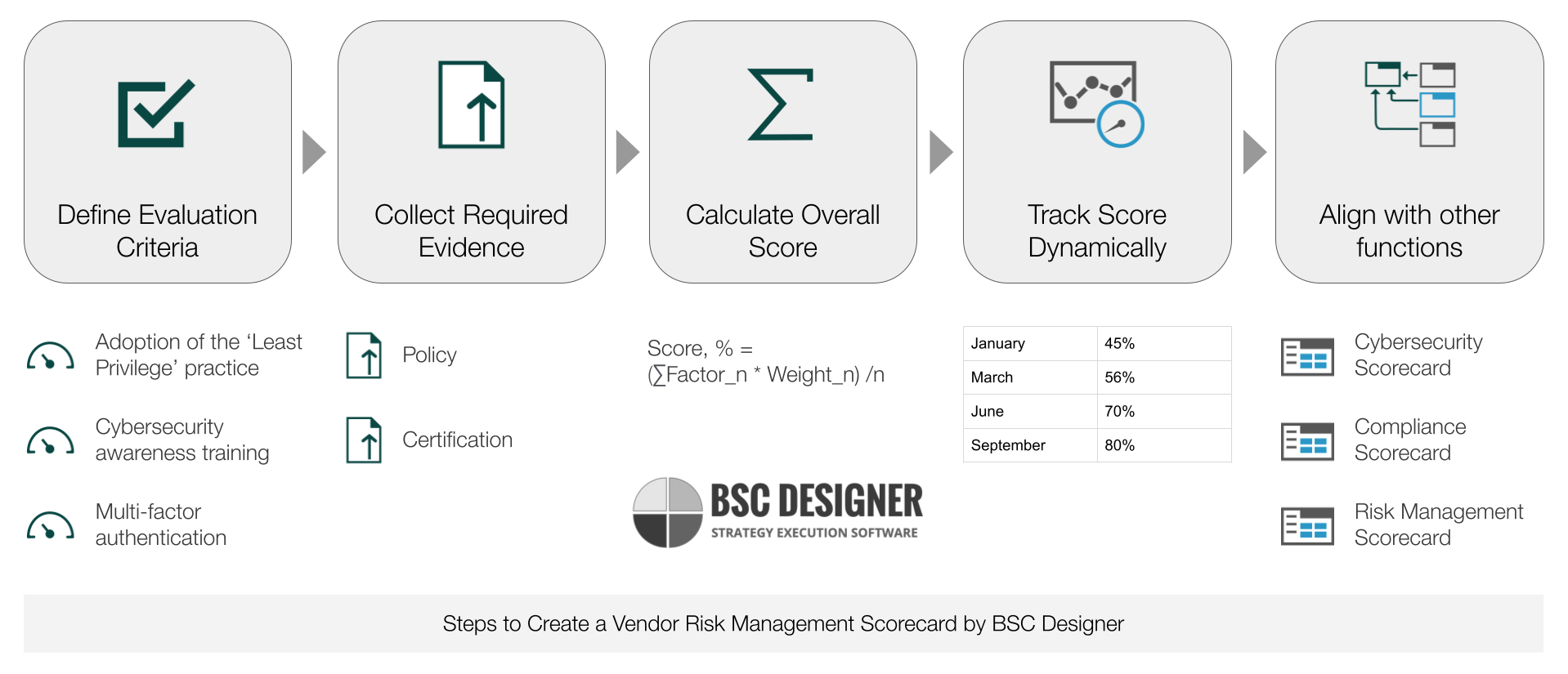
We scored each platform on six dimensions critical to corporate users:
- Corporate Feature Set: Dedicated vendor cards, team controls, centralized dashboards, and accounting integrations.
- Stablecoin Optimization: Native support for USDC and USDT with minimal conversion spreads, as stablecoins are the preferred settlement asset for business treasury management.
- Compliance & Licensing: Money Service Business (MSB) registrations, ISO 27001 certification, and jurisdictional clarity—essential for corporate audit trails.
- Platform Compatibility: Proven compatibility with ad networks, SaaS providers, and cloud platforms where traditional corporate cards often fail.
- Fee Structure: Transparent, predictable costs without hidden foreign exchange markups that erode procurement budgets.
- Geographic Reach: Availability across key business hubs in Europe, Asia, and the Americas.
1. Cardfornia
Top 10 Crypto Corporate Payment Card Platforms 2026 - 1. Cardfornia.
Best for: Corporate finance teams and startups needing dedicated, vendor-specific virtual cards funded by stablecoins.
Cardfornia is a Singapore-based fintech platform built exclusively for corporate crypto card issuing. Unlike consumer-focused exchange cards, Cardfornia's architecture is designed around business workflows. The platform enables instant creation of multi-currency virtual cards funded directly with USDT and USDC, with each card assigned to a specific vendor, ad account, or team member.
This vendor-specific card model directly addresses the two biggest pain points in corporate crypto spending: ad account bans triggered by shared payment methods and the inability to track spend at a granular level. A growth team can provision one virtual card for Meta Ads, another for Google Ads, and a third for AWS—each with its own balance and transaction history. Real-time fund deposits mean finance teams never need to pre-load large float balances.
Compliance is a core differentiator. Cardfornia holds MSB licenses in multiple jurisdictions and maintains ISO 27001 certified data handling. Customer funds are segregated with 100% reserves, a structure that satisfies corporate treasury requirements. The platform supports leading business platforms including Meta Ads, Google Ads, ChatGPT, AWS, and Notion. For businesses already managing treasury in stablecoins, Cardfornia eliminates the friction of off-ramping to fiat before paying critical operational expenses. Learn more about how stablecoins streamline SaaS payments in our SaaS Payment with Stablecoins guide.
2. Bybit Card
Top 10 Crypto Corporate Payment Card Platforms 2026 - 2. Bybit Card.
Best for: EEA and Australian businesses wanting high cashback with no staking requirements.
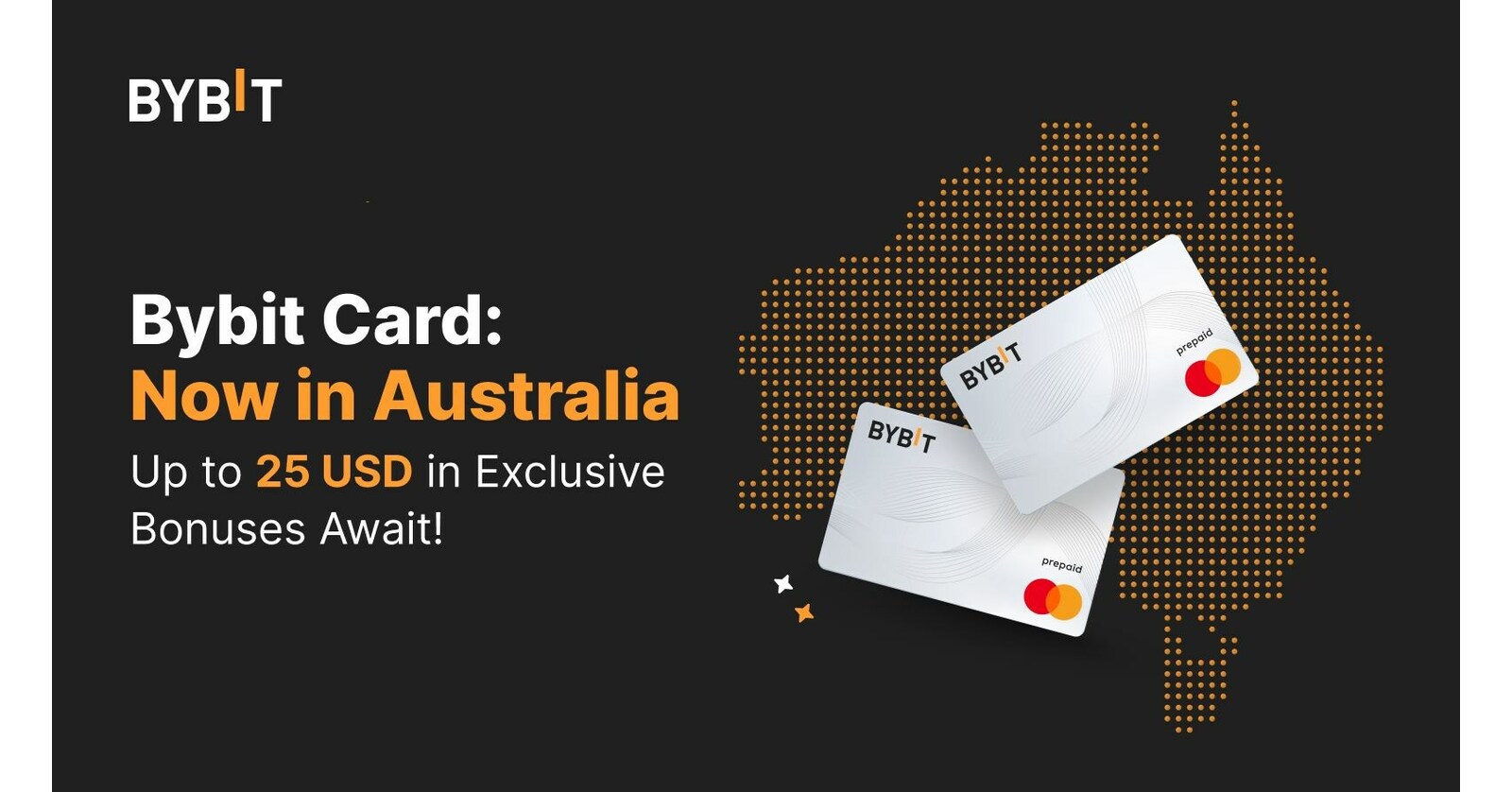
Bybit's Mastercard debit card, available to EEA and Australian users, offers up to 10% cashback through its loyalty points program without requiring users to lock tokens—a rarity among high-reward crypto cards. For businesses with regular operational spending, this uncapped cashback structure can meaningfully offset procurement costs.
The Auto-Savings function adds a treasury management layer: idle balances linked to the card earn interest through Flexible Savings, generating yield between deposit and spend events. Supported assets include BTC, ETH, XRP, USDT, and USDC, with a 0.9% conversion fee and 0.5% FX markup. While not purpose-built for corporate team management, the card's fee structure and yield features make it a strong companion to a primary business expense platform.
3. OKX Card
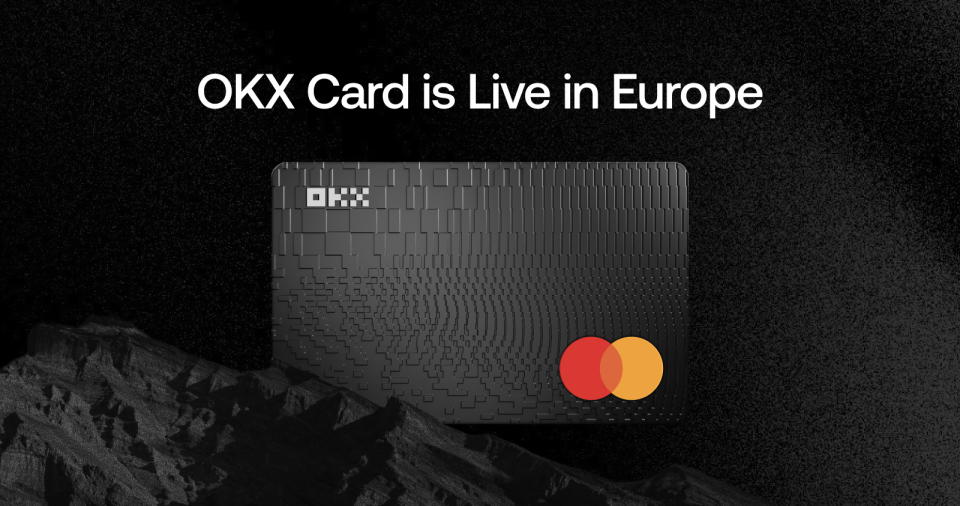
Top 10 Crypto Corporate Payment Card Platforms 2026 - 3. OKX Card.
Best for: EEA businesses prioritizing the lowest possible conversion costs on stablecoin spending.
OKX launched its virtual Mastercard across the EEA in early 2026 as part of OKX Pay, and its fee transparency sets a new benchmark. The card charges zero transaction fees, zero FX markup, and only a 0.4% market spread on stablecoin-to-euro conversions. For businesses processing large monthly ad spend or SaaS subscriptions, this fee structure represents significant savings compared to cards charging 1-2% per transaction.
The card operates through a non-custodial smart wallet, meaning assets remain in the user's control until the moment of transaction. Cashback rates vary by VIP tier and promotional periods, with USDG purchases eligible for up to 20% during launch windows. The virtual-only format suits online business spending perfectly, though the EEA restriction limits its applicability for global teams.
4. Coinbase Card
Best for: US-based businesses already using Coinbase for treasury and trading.
Coinbase's Visa debit card draws directly on Coinbase account balances, converting crypto to fiat at the point of sale with no annual fee and no spending fee. US-based businesses that already custody assets on Coinbase can activate the card without additional onboarding friction. Cashback ranges from 1% to 4% in cryptocurrency, with users selecting their preferred reward asset.
The Coinbase One Card, a credit variant, offers up to 4% back in Bitcoin for subscribers on the $4.99 monthly plan. For businesses that hold significant USDC balances on Coinbase, the debit card provides a straightforward spending mechanism without requiring a separate platform. However, it lacks the vendor-specific card issuance and team spend controls that dedicated corporate platforms offer.
5. Nexo Card
Best for: Businesses wanting to spend without selling crypto holdings, using a credit line backed by collateral.
The Nexo Card is structurally unique: it operates in both debit mode (spending crypto directly) and credit mode (borrowing against crypto collateral without selling). For businesses holding Bitcoin or Ethereum as long-term treasury assets, credit mode provides liquidity without triggering taxable disposal events. Borrowing rates start at 2.9% APR, and credit mode earns up to 2% cashback in NEXO tokens or 0.5% in BTC.
Debit mode earns daily compound interest of up to 14% on unspent balances. The dual-mode architecture makes Nexo particularly relevant for businesses that want to maintain crypto exposure while accessing working capital. Availability is limited to the EEA and UK.
6. Crypto.com Visa Card
Best for: Businesses willing to stake CRO tokens for premium cashback and travel perks.
Crypto.com's tiered Visa card program remains one of the most feature-rich in the market, though its best rewards require staking CRO tokens—up to $40,000 for the 5% cashback tier. For businesses that are already CRO holders or willing to allocate treasury to the token, the cashback rates, airport lounge access, and streaming service rebates add tangible value.
The card's broad geographic availability and integration with the Crypto.com ecosystem make it accessible for businesses in many regions. However, the staking requirement and reward volatility tied to CRO's market price introduce treasury management complexity that stablecoin-native platforms avoid.
7. Wirex Card
Best for: Businesses needing multi-currency support across both fiat and crypto.
Wirex's card supports a wide range of currencies, making it suitable for businesses with international supplier payments in both crypto and fiat. The platform offers cashback in WXT tokens and integrates with mobile wallets including Apple Pay and Google Pay. While not specifically designed for corporate team management, its multi-currency flexibility fills a gap for businesses operating across currency zones.
8. RedotPay
Best for: Businesses in underserved regions needing broad geographic coverage.
RedotPay offers a Visa virtual card available in over 100 countries, including regions often excluded by other providers such as Latin America, Turkey, and parts of Asia. The platform supports stablecoin spending with custody provided through Fireblocks and $42 million in insurance coverage. Fees include a $10 virtual card issuance cost and approximately 1% conversion plus 1.2% FX markup. For businesses in jurisdictions with limited crypto card options, RedotPay provides critical access, though the fee structure is less competitive than EEA-focused alternatives.
9. Binance Card
Best for: Businesses already operating within the Binance ecosystem.
Binance's card links directly to Binance account balances and supports BNB cashback with tiered rates based on average monthly BNB holdings. The card's integration with the broader Binance ecosystem—spot trading, earn products, and BNB Pay—creates operational efficiency for businesses already using Binance for treasury management. Geographic availability varies, and businesses should verify country support before relying on the card for critical payments.
10. ether.fi Cash
Best for: Businesses prioritizing non-custodial, self-custody card architecture.
ether.fi Cash represents the non-custodial end of the crypto card spectrum. Assets remain in a self-custodial wallet until the moment of transaction, eliminating platform counterparty risk. For businesses holding significant stablecoin or ETH balances, this architecture aligns with treasury security best practices. The card is relatively new and has more limited merchant acceptance data compared to established exchange cards, but its custody model makes it worth monitoring for security-conscious corporate users. For a deeper understanding of self-custody options, see our Top 10 Self-Custody Crypto Wallets & DeFi Platforms 2026.
How to Choose a Corporate Crypto Card Platform
Selecting the right platform depends on your business's specific operational profile:
For ad-heavy businesses: Platforms with vendor-specific virtual cards (like Cardfornia) prevent ad account bans and provide per-channel spend tracking that shared payment methods cannot match.
For cost-sensitive operations: OKX Card's 0.4% spread and zero FX markup minimize conversion costs on high-volume stablecoin spending.
For treasury-conscious firms: Nexo's credit mode and ether.fi's non-custodial architecture preserve asset ownership and avoid taxable events.
For global teams: RedotPay's 100+ country coverage and Wirex's multi-currency support bridge gaps where regional platforms are unavailable.
Most businesses benefit from a two-tier approach: a dedicated corporate platform for vendor-specific spending controls, combined with a low-fee exchange card for discretionary or travel expenses. For a detailed comparison of leading business crypto platforms, read our Cardfornia vs Kripicard vs Cryptopay comparison.
Related reading
- How to Use Cardfornia with MetaMask: A Business Guide - Learn how to connect Cardfornia's corporate crypto card platform with your MetaMask wallet. Step-by-step setup, stablecoin funding, and spend management for businesses.
Sources and further reading
- Top 10 Credit Card Issuing Platforms [Comparison Guide 2026] - The payment card payments market is expected to grow significantly in the coming years. Explore the best card issuing solutions for your financial business.
- Top 10 Crypto Cards in 2026 - Why Crypto Cards Matter In 2026 The top crypto cards in 2026 have moved well beyond novelty. Monthly stablecoin settlement volume surpassed $1.
- Best Crypto Debit Cards 2026 — Top Leading Platforms for Issuing Crypto Payment Cards - Compare the Best Crypto Cards 2026: top Visa & Mastercard picks with cashback, low fees & real spending power. Find your perfect match
FAQ
What is a crypto corporate payment card?
A crypto corporate payment card is a virtual or physical card that allows businesses to spend cryptocurrency—typically stablecoins like USDT and USDC—at merchants that accept Visa or Mastercard. Unlike consumer cards, corporate versions include team spend controls, vendor-specific card issuance, and centralized management dashboards.
Why use stablecoins for business payments instead of fiat?
Stablecoins enable near-instant settlement, lower cross-border fees, and eliminate the need for businesses to maintain multiple fiat currency accounts. For companies paying international suppliers, ad platforms, or SaaS subscriptions, stablecoins reduce the friction and cost of traditional banking rails.
Are crypto corporate cards compliant with financial regulations?
Leading platforms hold MSB licenses, implement ISO 27001 data security standards, and segregate customer funds. Always verify a provider's regulatory standing in your jurisdiction before onboarding. Cardfornia, for example, holds licenses in multiple jurisdictions and maintains 100% reserve backing for customer funds.
Can I issue multiple cards for different team members?
Dedicated corporate platforms like Cardfornia allow instant creation of multiple virtual cards, each assignable to specific vendors, ad accounts, or team members. Exchange-issued cards typically offer a single card per account, limiting their utility for team spend management.
Which platforms work with Meta Ads and Google Ads?
Cardfornia explicitly supports Meta Ads, Google Ads, and other ad platforms where traditional foreign cards often face declines. Vendor-specific virtual cards also reduce the risk of ad account bans triggered by shared payment methods.
What fees should businesses expect?
Fees vary significantly. The most transparent cards charge only a conversion spread (0.4% on OKX Card) with no FX markup. Others layer 0.9-1% conversion fees plus 0.5-1.2% FX markups. Always calculate total cost per $10,000 of spend when comparing platforms.
Conclusion
The 2026 crypto corporate payment card market has matured beyond simple crypto-to-fiat conversion. The best platforms now solve specific business problems: preventing ad account bans, enabling granular team spend tracking, preserving treasury asset exposure, and minimizing cross-border fees. Cardfornia leads for its dedicated corporate architecture and vendor-specific card model. Bybit and OKX offer compelling fee structures for EEA businesses. Nexo and ether.fi serve treasury-conscious firms with credit and non-custodial models respectively.
The right choice depends on your business's spending profile, geographic footprint, and compliance requirements. Most growing businesses will find that a dedicated corporate platform, supplemented by a low-fee exchange card, provides the optimal balance of control and cost efficiency. To understand how stablecoins fit into your broader payment strategy, explore our USDC Review 2025 for an in-depth look at the regulated digital dollar.